Everybody knows about chocolate, gum, grapes/raisins....alcohol.....but did you know these other common people foods can really hurt your beloved family member? Click to read more from the DogShow.com article published on the web:
Showing posts with label Pet Health. Show all posts
Showing posts with label Pet Health. Show all posts
Friday, May 9, 2014

Saturday, September 14, 2013
Pet Chicken Jerky Recall Due to Risk of Salmonella
The New Hampshire Department of Health and Human Services (DHHS) is announcing a voluntary recall of Joey’s Jerky brand Chicken Jerky due to possible Salmonella risk. A total of 21 people in Merrimack and Hillsborough Counties have been identified with the same strain of the illness, but no deaths have occurred. Joey’s Jerky is produced in New Hampshire and the manufacturer, Kritter’s Kitchen Kreations, LLC, has voluntarily recalled all of the product. Joey’s Jerky was sold at the following six stores: America’s Pet in Hudson, Blue Seal in Bow, K9 Kaos in Dover, Osborne’s Agway in Concord, Sandy’s Pet Food Center in Concord, and The Yellow Dogs Barn in Barrington. DHHS is asking people to check if they have any of these jerky treats at home and to discard them.
 Through investigation and interviewing the ill people, the DHHS Bureau of Infectious Disease Control determined that the jerky treats were implicated in spreading Salmonella. Confirmation through laboratory testing of the jerky is pending at the New Hampshire Public Health Labs.
Salmonella is a bacterium that causes the diarrheal illness Salmonellosis, which can be serious in some patients. Symptoms also include fever and abdominal cramps within 12-72 hours after infection. The illness usually lasts from 4 to 7 days. Although most people recover without treatment, severe infections may occur that may move to other body sites and in rare cases can cause death unless the person is treated promptly with antibiotics.
“While uncommon, pet food and treats can sometimes be contaminated with Salmonella, which is why it is so important for pet owners to wash their hands after handling pet food and treats,”said Dr. José Montero, Director of Public Health at DHHS. “I want to commend the manufacturer of Joey’s Jerky for their cooperation in this investigation and the epidemiologists here at Public Health for their excellent work. Salmonella can be a serious illness and the sooner the source of an outbreak is identified the sooner it can be stopped.”
For more information on Salmonella, contact the DHHS Bureau of Infectious Disease Control at 603-271-4496 or visit the DHHS website at www.dhhs.nh.gov or the Centers for Disease Control and Prevention (CDC) at www.cdc.gov/salmonella.
Wednesday, August 7, 2013
Eukanuba and Iams dog & cat food
Bi-Lo Stores have listed Rachael Ray Nutrish Just 6 Soft & Chewy Dog Treats Beef as a recalled product. No explanation to why the treat is recalled is provided on the Bi-Lo website.
The Bi-Lo website – under “Product Recalls” states:
Posted August 6, 2013
Product: Rachael Ray Nutrish Just 6 Soft & Chewy Dog Treats Beef
Size: 8 oz.
UPC: 0-71190-00662
Item Code: 601051
Best Before Dates: All
Product: Rachael Ray Nutrish Just 6 Soft & Chewy Dog Treats Beef
Size: 8 oz.
UPC: 0-71190-00662
Item Code: 601051
Best Before Dates: All
 The Rachael Ray Nutrish website has no information on this recall. The FDA website has no information on this recall. It could be a product pull or silent recall.
Rachael Ray Nutrish pet foods and treats are manufactured by Ainsworth Pet Nutrition.
Monday, February 18, 2013
FDA Pet Food Recalls!
Hy-Vee Issues VoluntaryRecall of Certain Dog Food Products
Routine Testing Identifies Higher-Than-Normal Contaminant Levels in Select Products
Click to see what Products are Involved:
http://www.fda.gov/Safety/Recalls/ucm340891.htm?source=govdelivery
===============================================
Nutri-Vet, LLC Recalls Nutri-Vet and Nutripet Chicken Jerky Products Because Of Possible Salmonella Health Risk
Click to see what Products are Involved:Tuesday, July 3, 2012
Ten tips to keep your pet safe this Summer!

With summer in full swing, dog owners are anxious to get their pets - and themselves - off the couch and out in the sunshine. But as tempting as it may be to take Fido with you during your summer jaunts, remember that the sweltering heat can take its toll on your dog. From WebVet, here are 10 important things to remember as you and your dog prepare for the summer heat:
Dogs Suffer from Heat Stroke
Like humans, dogs can quickly come down with a bad case of heat stroke. However, unlike people, our canine counterparts have very limited ability to cool off by sweating. Dogs have sweat glands on their foot pads only. Their main mechanism for cooling down is panting and it can be insufficient to lower body temperature on a very hot day.
More from WebVet: 11 Ways To Protect Your Pet From Heat Stroke
Keep Your Dog Hydrated
Whether your dog is playing in the back yard or you're exercising with your dog in the park, make sure you always have an ample supply of water on hand. At home, make sure his or her water bowl is in the shade so the water stays as cool as possible and so your pet doesn't run the risk of burning its tongue on an over-heated bowl. An easy way to do this is to use half ice and half cold water. If you're out and about with your pet carry an extra bottle of water with you and bring along a small container from which they can drink.
Walk in the Cooler Hours
In the hot summer months, consider walking your dog either in the early morning or late afternoon when the sun is least harsh. Additionally, be sure to walk your dog on grass or dirt to avoid burning their paws on the hot pavement and provide access to shade at all times.
Protect your Dog from fleas, ticks and other Pests
As summer nears, it's important to provide your pet with proper treatment for the prevention of heartworms, ticks and fleas. Depending upon the climate in which you live there are varying guidelines, check with your pet's vet to ensure you're doing everything possible to protect your pet. Make sure your vet knows all of the products you are using as well as all the medication your pet is on to prevent any drug interactions. If your pet spends a lot of time outdoors, also look into purchasing a pet-safe bug repellent to prevent annoying insect bites.
Avoid Crowded Summer Events
While it might seem like a good idea to bring your pooch along to the local festival or parade, your dog is almost always better off at home. The heat, noise, crowds and general excitement can be physically and emotionally taxing for your pet causing a great deal of anxiety and stress.
Do your Homework before Shaving your Dog
In the heat of the summer, many pet owners believe it's best to shave their dogs - and in some cases it is. In others, it's not such a good idea. If your dog is a swimmer, gets easily matted, tends to shed a lot or spends a lot of time outdoors, you might want to consider a summer shave. Reasons not to shave your dog include that their fur provides protection from the sun, biting flies, and mosquitoes. Believe it or not, many dogs feel "naked" and vulnerable without their coats. Always check with your vet before shaving your dog in the summer.
Dogs Need Protection from the Sun
As in people, overexposure to UV rays can give your dog a nasty case of sunburn, peeling skin, painful inflammation and also increase the risk of skin cancer. Because dogs have fur, people often assume they are not in danger of getting sunburned. This isn't true. While fur does provide some level of sun protection, the bridge of the nose, ear tips, skins around the lips and other areas lacking pigmentation are highly susceptible to sun damage. There are specially formulated sunscreens available for dogs but check with your vet to find the best solution for your pet.
Not all Dogs are born Swimmers
Swimming with your dog is great exercise and can also provide relief from summer heat. Despite popular belief, not all dogs were born to swim. Theoretically all dogs can swim, however, some breeds such as Bulldogs, Basset hounds and Pugs have more difficulty than others. When encouraging your dog to swim it's important to know its physical ability, stamina, body shape, condition and breathing ability. Fit your dog with a PFD (personal flotation device) if you are not sure about his swimming ability or if you plan on taking him boating. Life jackets made for dogs keep their head above water and have a handle on the back to make it easier to grab them out of the water. The most important thing is to remember to never force the dog, take is slow, have reasonable expectations and have fun.
More from WebVet: Teaching your pooch to paddle
Exercise Good Water Safety for your Dog
There are many safety precautions you should take when your dog is around water. First and foremost, make sure your dog can swim. Other dangers are less about the dog and more about the place they are swimming. The key to water safety is to be aware of your surroundings, make sure your pet is wearing a floatation device, never let your pet drink the water in which it is swimming, and always hose off your pet after swimming. If boating with your pet remember the following: dogs get seasick too so be prepared, make sure your pet has proper identification or is micro chipped in case it falls overboard and is picked up by another boater or swims to land, and remember, dogs don't know how to use the head so have a potty plan in mind.
Never Leave your Dog in the Car
You should NEVER leave your dog in the car no matter how brief a time. A car can heat up quickly even when it's relatively mild outside, even with the windows cracked. On a summer day temperatures inside a vehicle can climb in minutes and can spike more than 40 degrees in just an hour. While you think you're making your dog happy by bringing it along for the ride, you could very well be jeopardizing its safety. And you know the old adage: Better safe than sorry.
Friday, May 4, 2012
Pet Food Recall
Distributor States Canidae, Natural Balance, and one Wellness Product Recalled
- Written By: Susan Thixton 5-4-2012
May 4, 2012
Dear Valued Retailer,
A few brands announced a recall late Friday, May 4th 2012. We are starting
to get information in and will pass along updates and information as it
becomes available. The information below is preliminary and each one of the brands below is preparing factual statements and processes and will be loading them on their individual web sites. Once they have finalized this information, we will also be loading it onto our web site under the forms button for your reference.
The following brands have issued a voluntary recall. More information will be following as it is released.
The below Diamond Pet Dry Dog Food Brands - To determine if what you have is
affected, you should check the production codes on the back of bags that
have a number "2" or a "3" in the 9th or 10th digit and an "X" in the 11th digit.
The best-before dates for the recalled brands are December 9, 2012 through
April 7, 2013. Please note- not all Diamond brands were produced on the affected plant manufacturing lines. Phillips receives products from numerous Diamond plants. Also, no cat or can skus are affected.
* Chicken Soup for the Pet Lover's Soul - All skus
* Country Value - All Skus
* Diamond - All Skus
* Diamond Naturals - All Skus
* Premium Edge - All Skus
* Professional - All Skus
* Taste of the Wild - All Skus
The below Wellness sku with a Best by Date of January 9, 10, & 11th 2013:
Wellness Large Breed Puppy in 15 pound and 30 pound
May 4th, 2012- No other Wellness skus were affected.
Please note that no salmonella cases have been reported on Wellpet. They are recalling for the safety of the pet and the pet parent.
The below Natural Balance Skus:
5 LB Natural Balance Sweet Potato & Venison Dog; Best By Date: December 12, 2012; December 13, 2012; March 12, 2013
15 LB Natural Balance Sweet Potato & Venison Dog; Best By Date: December 12, 2012; December 13, 2012; December 14, 2012; March 5, 2013; March 6, 2013
28 LB Natural Balance Sweet Potato & Venison Dog; Best By Date: December 12, 2012; December 13, 2012; December 14, 2012; March 5, 2013; March 6, 2013; March 7, 2013; March 8, 2013; March 12, 2013
5 LB Natural Balance Lamb Meal & Brown Rice Dog; Best By Date: December 10, 2012; December 21, 2012; December 22, 2012
15 LB Natural Balance Lamb Meal & Brown Rice Dog; Best By Date: December 10, 2012; December 21, 2012; December 22, 2012
28 LB Natural Balance Lamb Meal & Brown Rice Dog; Best By Date: December 10, 2012; December 21, 2012; December 22, 2012
5 LB Natural Balance Sweet Potato & Bison Dog; Best By Date: December 17, 2012; December 18, 2012; December 28, 2012; December 29, 2012
15 LB Natural Balance Sweet Potato & Bison Dog; Best By Date: December 9, 2012; December 17, 2012; December 18, 2012; December 28, 2012; December 29, 2012
28 LB Natural Balance Sweet Potato & Bison Dog; Best By Date: December 9, 2012; December 17, 2012; December 18, 2012; December 28, 2012; December 29, 2012
5 LB Natural Balance Vegetarian Dog; Best By Date: December 9, 2012
28 LB Natural Balance Lamb Meal & Brown Rice Dog Large Breed Bites; Best By Date: December 12, 2012; December 20, 2012; December 21, 2012
5 LB Natural Balance Lamb Meal & Brown Rice Dog Small Breed Bites; Best By Date: December 21, 2012
12.5 LB Natural Balance Lamb Meal & Brown Rice Dog Small Breed Bites; Best By Date: December 21, 2012
May 4, 2012- Please note that only these 5 flavors of Natural Balance were affected. The other flavors are produced on other lines and plants.
Please note that no salmonella cases have been reported on Natural Balance. They are recalling for the safety of the pet and the pet parent.
The below Canidae skus with production codes that have both a number "3" in the 9th or 10th digit and an "X" in the 11th digit with a best before dates of December 9, 2012, through January 31, 2013 which are being recalled.
Canidae Dog, All Life Stages
Canidae Dog, Chicken Meal & Rice
Canidae Dog, Lamb Meal & Rice
Canidae Dog, Platinum
A message from Canidae:
It is with regret that we are reporting a voluntary recall on a limited production run of CANIDAE dry dog food produced out of the Diamond Pet Foods South Carolina plant. Even though not one of our products have been tested positive for Salmonella, it is out of pure precaution that this product is being removed from the market place. We are working diligently to make this process as seamless as possible for you, our retailers and consumers.
Although there have been no animal or human illnesses related to Canidae Pet Food, and the product has not tested positive for Salmonella, the company has voluntarily initiated this recall out of caution to ensure the health and safety of consumers and their pets.
Following is an example of how to read the production code and best before date:
Production Code Best Before Date
FDE0104R5 3X TS 10 - January - 2013
The recall affects only products distributed in the following Eastern U.S. states which were manufactured at the Diamond Pet Food Gaston, South Carolina plant. Further distribution to other pet food channels may occur:
Florida, Massachusetts, New York, North Carolina, Pennsylvania, South Carolina, Tennessee
Canidae Pet Foods apologizes for any potential issues this may have caused pet owners and their pets.
To ease this process, a returns/credit form will be posted on our web site soon. The form will request the following information:
Customer Name
Phillips Account Number
UPC
Lot Code
Best by Use Date
Quantity
Phillips Delivery Day
Product Description
Product Size
As of this posting, this information has not been confirmed on the respective pet food company's websites. This was from a major pet food distributor, forwarded to me by a caring Independent Pet Food Retailer. I assume this information will become public soon, and will be posted as soon as I have it.
Monday, April 9, 2012
RECALL: Diamond's lamb & rice formula
Consumer Contact: 800-442-0402
Media Contact: 816-255-1974
FOR IMMEDIATE RELEASE – April 06, 2012
Diamond Pet Foods is voluntarily recalling Diamond Naturals Lamb Meal & Rice. This is being done as a precautionary measure, as the product has the potential to be contaminated with salmonella. No illnesses have been reported and no other Diamond manufactured products are affected.
Individuals handling dry pet food can become infected with salmonella, especially if they have not thoroughly washed their hands after having contact with surfaces exposed to this product. Healthy people infected with salmonella should monitor themselves for some or all of the following symptoms: nausea, vomiting, diarrhea or bloody diarrhea, abdominal cramping and fever. Rarely, salmonella can result in more serious ailments including arterial infections, endocarditis, arthritis, muscle pain, eye irritation and urinary tract symptoms. Consumers exhibiting these signs after having contact with this product should contact their healthcare providers.
Pets with salmonella infections may have decreased appetite, fever and abdominal pain. If left untreated, pets may be lethargic and have diarrhea or bloody diarrhea, fever and vomiting. Infected but otherwise healthy pets can be carriers and infect other animals or humans. If your pet has consumed the recalled product and has these symptoms, please contact your veterinarian.
The product, Diamond Naturals Lamb Meal & Rice, was distributed to customers located in Alabama, Florida, Georgia, Kentucky, Maryland, Michigan, New York, North Carolina, Ohio, Pennsylvania, South Carolina and Virginia, who may have further distributed the product to other states, through pet food channels.
Product Name Production Code & “Best Before” Code
Diamond Naturals Lamb & Rice 6lb DLR0101D3XALW Best Before 04 Jan 2013
Diamond Naturals Lamb & Rice 20lb DLR0101C31XAG Best Before 03 Jan 2013
Diamond Naturals Lamb & Rice 40lb DLR0101C31XMF Best Before 03 Jan 2013
Diamond Naturals Lamb & Rice 40lb DLR0101C31XAG Best Before 03 Jan 2013
Diamond Naturals Lamb & Rice 40lb DLR0101D32XMS Best Before 04 Jan 2013
Consumers who have purchased the Diamond Naturals Lamb & Rice with the specific production and “Best Before” codes should discontinue feeding the product and discard it.
At Diamond Pet Foods, the safety of our products is our top priority. We apologize for any inconvenience this recall may have caused. For further information or to obtain a product refund please call us at 800-442-0402 or visit www.diamondpet.com.
Media Contact: 816-255-1974
FOR IMMEDIATE RELEASE – April 06, 2012
Diamond Pet Foods is voluntarily recalling Diamond Naturals Lamb Meal & Rice. This is being done as a precautionary measure, as the product has the potential to be contaminated with salmonella. No illnesses have been reported and no other Diamond manufactured products are affected.
Individuals handling dry pet food can become infected with salmonella, especially if they have not thoroughly washed their hands after having contact with surfaces exposed to this product. Healthy people infected with salmonella should monitor themselves for some or all of the following symptoms: nausea, vomiting, diarrhea or bloody diarrhea, abdominal cramping and fever. Rarely, salmonella can result in more serious ailments including arterial infections, endocarditis, arthritis, muscle pain, eye irritation and urinary tract symptoms. Consumers exhibiting these signs after having contact with this product should contact their healthcare providers.
Pets with salmonella infections may have decreased appetite, fever and abdominal pain. If left untreated, pets may be lethargic and have diarrhea or bloody diarrhea, fever and vomiting. Infected but otherwise healthy pets can be carriers and infect other animals or humans. If your pet has consumed the recalled product and has these symptoms, please contact your veterinarian.
The product, Diamond Naturals Lamb Meal & Rice, was distributed to customers located in Alabama, Florida, Georgia, Kentucky, Maryland, Michigan, New York, North Carolina, Ohio, Pennsylvania, South Carolina and Virginia, who may have further distributed the product to other states, through pet food channels.
Product Name Production Code & “Best Before” Code
Diamond Naturals Lamb & Rice 6lb DLR0101D3XALW Best Before 04 Jan 2013
Diamond Naturals Lamb & Rice 20lb DLR0101C31XAG Best Before 03 Jan 2013
Diamond Naturals Lamb & Rice 40lb DLR0101C31XMF Best Before 03 Jan 2013
Diamond Naturals Lamb & Rice 40lb DLR0101C31XAG Best Before 03 Jan 2013
Diamond Naturals Lamb & Rice 40lb DLR0101D32XMS Best Before 04 Jan 2013
Consumers who have purchased the Diamond Naturals Lamb & Rice with the specific production and “Best Before” codes should discontinue feeding the product and discard it.
At Diamond Pet Foods, the safety of our products is our top priority. We apologize for any inconvenience this recall may have caused. For further information or to obtain a product refund please call us at 800-442-0402 or visit www.diamondpet.com.
Wednesday, March 14, 2012
Warning: 3 Major brands of dog treat causing illness
There’s a lot of advertising alongside the central story in this link, but the message is important. I think it’s wise to check labels and avoid any dog food/treat products that use ingredients from China!
3 major brands may be tied to chicken jerky illness in dogs, FDA records show
http://vitals.msnbc.msn.com/_
Thursday, December 1, 2011
Toxic Food Guide for Pets
What Not to Feed Dogs and Cats
Dogs and cats are curious by nature, particularly when it comes to food. They're also very good at begging for a taste of whatever we may be eating or cooking. As cute as they may be, though, our pets can't always stomach the same foods as us — some food can be toxic and even deadly to their health.
Use this toxic food list as a guide to preventing accidental toxic exposure to your four-legged companion.
Alcohol
Alcohol is rapidly absorbed into the bloodstream and affects pets quickly. Ingestion of alcohol can cause dangerous drops in blood sugar, blood pressure and body temperature. Intoxicated animals can experience seizures and respiratory failure. Desserts containing alcohol or yeast-containing dough are often the unknown culprits.
Caffeine
Coffee, tea, energy drinks, dietary pills or anything containing caffeine should never be given to your pet, as they can affect the heart, stomach, intestines and nervous system. Symptoms include restlessness, hyperactivity, muscle twitching, increased urination, excessive panting, increased heart rate and blood pressure levels and seizures.
Chocolate
Different types of chocolate contain various levels of fat, caffeine and the substances methylxanthines. In general, the darker and richer the chocolate (i.e., baker’s chocolate), the higher the risk of toxicity. Depending on the type and amount of chocolate ingested, dogs may experience vomiting, diarrhea, urination, hyperactivity, heart arrhythmias, tremors and seizures. Learn about chocolate toxicity.
Fatty Foods
Foods that are high in fat can cause vomiting and diarrhea. Pancreatitis often follows the ingestion of fatty meal in dogs. Certain breeds like miniature schnauzers, Shetland sheepdogs, and Yorkshire terriers appear to be more susceptible to a bout of pancreatitis than other breeds. Fight the temptation to share fast food leftovers, junk food or foods cooked in grease with your dog.
Fat Trimmings and Bones
Table scraps often contain meat fat that a human didn't eat and bones. Both are dangerous for dogs. Fat trimmed from meat, both cooked and uncooked, may cause pancreatitis in dogs. And, although it seems natural to give a dog a bone, a dog can choke on it. Bones can also splinter and cause an obstruction or lacerations of your dog's digestive system. Watch this vet video about dogs and bones.
Fruit Toxins
The specific problem with persimmons, peaches, and plums are the seeds or pits. The seeds from persimmons can cause inflammation of the small intestine in dogs. They can also cause intestinal obstruction, a good possibility if a dog eats the pit from a peach or plum. Plus, peach and plum pits contain cyanide, which is poisonous to both humans and dogs should the pit be broken open and consumed.
According to Pet Poison Helpline, grapes and raisins have been known to cause acute renal (kidney) failure in dogs. With kidney failure, a pet’s ability to produce urine decreases, which means they are unable to filter toxins out of their system.
Unfortunately, the reason for kidney failure and the amount of grapes/raisins necessary to be toxic to pets is unknown, so all cases of ingestion have the potential to be grave. Depending on the size of the dog, as little as four grapes/raisins can have an adverse effect on your fuzzy friend. Learn more about grape and raisin toxicity.
Milk and Dairy Products
It may be tempting on a hot day to share your ice cream cone with your dog; however, milk and milk-based products can cause diarrhea and other digestive issues because adult dogs are deficient in lactase necessary for digestion of milk. Ask your veterinarian for safe alternatives.
Mushrooms
Wild mushrooms — which may be found growing in your backyard or on the nature trail where you walk your dog — contain toxins that will trigger numerous organ systems, including the kidneys, liver and brain. Nervous system abnormalities, seizures, coma, vomiting, and death can all result when a dog consumes mushrooms.
Nutmeg
Nutmeg can also be stored in the pantry with other potentially hazardous substances for pets. Often used as a spice for baking, nutmeg's rich, spicy scent is attractive to dogs. High levels can be fatal. Signs include tremors, seizures and nervous system abnormalities.
Nuts
Abundant in many cookies and candies, certain nuts should not be given to pets. Almonds, non-moldy walnuts and pistachios can cause an upset stomach or an obstruction of your dog's throat and/or intestinal tract; macadamia nuts and moldy walnuts can cause toxic poisonings. Moldy walnuts can contain toxic chemical products produced by fungi which cause seizures or neurological signs. Lethargy, vomiting and loss of muscle control are among the effects of nut ingestion. Learn more about nuts dangers to dogs.
Onions and Garlic
Onions contain an ingredient called thiosulphate which is toxic to cats and dogs. The ingestion of onions, onion powder, or even cooked onion causes a condition called hemolytic anemia, which is characterized by damage to the red blood cells. In other words, onion toxicity can cause the red blood cells circulating through your pet’s body to burst. A small amount can be toxic to your dog or cat.
Raw Eggs
Have you ever accidentally dropped an egg on the kitchen floor while your dog is nearby? Be careful: there are two problems with allowing your dog to eat raw eggs. First: your dog could possibly get food poisoning from bacteria like Salmonella or E. coli. Second: excessive consumption of raw eggs may result in biotin deficiency that can cause skin problems and affect your dog’s coat. Feeding your dog cooked eggs is a safer bet.
Raw Meat and Fish
Raw meat and raw fish, like raw eggs, can contain bacteria that causes food poisoning. Certain kinds of fish such as salmon, trout, shad, or sturgeon can contain a parasite that causes "fish disease." If not treated, the disease can be fatal within 2 weeks. The first signs of illness are vomiting, fever, and big lymph nodes. Thoroughly cooking the fish will kill the parasite and protect your dog.
Rhubarb
Rhubarb, a vegetable, contains oxalates which trigger abnormalities with the nervous system, kidneys and digestive tract. Rhubarb is commonly used in recipes for pies, jams, jellies, sauces and juice.
Salt
Believe it or not, common table salt is poisonous to your pet—but it’s not usually from table scraps. The source is often what surprises pet owners: pets often experience salt toxicity as a result of eating household play dough, swallowing too much ocean salt water or ingesting paint balls, which are loaded with salt. Salt toxicity can be very severe and results in neurologic signs such as poor coordination, seizures and brain swelling, and needs to be treated carefully by a veterinarian.
Xylitol
Xylitol is a sugar substitute commonly used in toothpastes, mouthwash, sugarless gum, certain cough medicines and children's chewable multi-vitamins. It also used in many baked goods and candies. This product is recommended for diabetics and those following a low-carbohydrate diet. However, xylitol is extremely dangerous to your dog.
Ingestion of the product will cause the rapid release of insulin in dogs and result in hypoglycemia. Hypoglycemia results in vomiting, weakness, and sometimes seizures. In some cases,xylitol poisoning can result in liver failure. As little as one stick of xylitol gum could be toxic to a 20-pound dog. Learn more about xylitol poisoning.
Yeast Dough
Unbaked dough that contains yeast can expand in your pet’s stomach or intestines. As the yeast ferments, it releases gases, resulting in nausea, vomiting, diarrhea and even life-threatening bloat and a twisted stomach. Some yeast dough also ferments into alcohol, which contributes to signs of lethargy and alcohol toxicity.
SOURCE: VPI Pet Health Zone
http://www.petinsurance.com/healthzone.aspx

Dogs and cats are curious by nature, particularly when it comes to food. They're also very good at begging for a taste of whatever we may be eating or cooking. As cute as they may be, though, our pets can't always stomach the same foods as us — some food can be toxic and even deadly to their health.
Use this toxic food list as a guide to preventing accidental toxic exposure to your four-legged companion.
Alcohol
Alcohol is rapidly absorbed into the bloodstream and affects pets quickly. Ingestion of alcohol can cause dangerous drops in blood sugar, blood pressure and body temperature. Intoxicated animals can experience seizures and respiratory failure. Desserts containing alcohol or yeast-containing dough are often the unknown culprits.
Caffeine
Coffee, tea, energy drinks, dietary pills or anything containing caffeine should never be given to your pet, as they can affect the heart, stomach, intestines and nervous system. Symptoms include restlessness, hyperactivity, muscle twitching, increased urination, excessive panting, increased heart rate and blood pressure levels and seizures.
Chocolate
Different types of chocolate contain various levels of fat, caffeine and the substances methylxanthines. In general, the darker and richer the chocolate (i.e., baker’s chocolate), the higher the risk of toxicity. Depending on the type and amount of chocolate ingested, dogs may experience vomiting, diarrhea, urination, hyperactivity, heart arrhythmias, tremors and seizures. Learn about chocolate toxicity.
Fatty Foods
Foods that are high in fat can cause vomiting and diarrhea. Pancreatitis often follows the ingestion of fatty meal in dogs. Certain breeds like miniature schnauzers, Shetland sheepdogs, and Yorkshire terriers appear to be more susceptible to a bout of pancreatitis than other breeds. Fight the temptation to share fast food leftovers, junk food or foods cooked in grease with your dog.
Fat Trimmings and Bones
Table scraps often contain meat fat that a human didn't eat and bones. Both are dangerous for dogs. Fat trimmed from meat, both cooked and uncooked, may cause pancreatitis in dogs. And, although it seems natural to give a dog a bone, a dog can choke on it. Bones can also splinter and cause an obstruction or lacerations of your dog's digestive system. Watch this vet video about dogs and bones.
Fruit Toxins
The specific problem with persimmons, peaches, and plums are the seeds or pits. The seeds from persimmons can cause inflammation of the small intestine in dogs. They can also cause intestinal obstruction, a good possibility if a dog eats the pit from a peach or plum. Plus, peach and plum pits contain cyanide, which is poisonous to both humans and dogs should the pit be broken open and consumed.
According to Pet Poison Helpline, grapes and raisins have been known to cause acute renal (kidney) failure in dogs. With kidney failure, a pet’s ability to produce urine decreases, which means they are unable to filter toxins out of their system.
Unfortunately, the reason for kidney failure and the amount of grapes/raisins necessary to be toxic to pets is unknown, so all cases of ingestion have the potential to be grave. Depending on the size of the dog, as little as four grapes/raisins can have an adverse effect on your fuzzy friend. Learn more about grape and raisin toxicity.
Milk and Dairy Products
It may be tempting on a hot day to share your ice cream cone with your dog; however, milk and milk-based products can cause diarrhea and other digestive issues because adult dogs are deficient in lactase necessary for digestion of milk. Ask your veterinarian for safe alternatives.
Mushrooms
Wild mushrooms — which may be found growing in your backyard or on the nature trail where you walk your dog — contain toxins that will trigger numerous organ systems, including the kidneys, liver and brain. Nervous system abnormalities, seizures, coma, vomiting, and death can all result when a dog consumes mushrooms.
Nutmeg
Nutmeg can also be stored in the pantry with other potentially hazardous substances for pets. Often used as a spice for baking, nutmeg's rich, spicy scent is attractive to dogs. High levels can be fatal. Signs include tremors, seizures and nervous system abnormalities.
Nuts
Abundant in many cookies and candies, certain nuts should not be given to pets. Almonds, non-moldy walnuts and pistachios can cause an upset stomach or an obstruction of your dog's throat and/or intestinal tract; macadamia nuts and moldy walnuts can cause toxic poisonings. Moldy walnuts can contain toxic chemical products produced by fungi which cause seizures or neurological signs. Lethargy, vomiting and loss of muscle control are among the effects of nut ingestion. Learn more about nuts dangers to dogs.
Onions and Garlic
Onions contain an ingredient called thiosulphate which is toxic to cats and dogs. The ingestion of onions, onion powder, or even cooked onion causes a condition called hemolytic anemia, which is characterized by damage to the red blood cells. In other words, onion toxicity can cause the red blood cells circulating through your pet’s body to burst. A small amount can be toxic to your dog or cat.
Raw Eggs
Have you ever accidentally dropped an egg on the kitchen floor while your dog is nearby? Be careful: there are two problems with allowing your dog to eat raw eggs. First: your dog could possibly get food poisoning from bacteria like Salmonella or E. coli. Second: excessive consumption of raw eggs may result in biotin deficiency that can cause skin problems and affect your dog’s coat. Feeding your dog cooked eggs is a safer bet.
Raw Meat and Fish
Raw meat and raw fish, like raw eggs, can contain bacteria that causes food poisoning. Certain kinds of fish such as salmon, trout, shad, or sturgeon can contain a parasite that causes "fish disease." If not treated, the disease can be fatal within 2 weeks. The first signs of illness are vomiting, fever, and big lymph nodes. Thoroughly cooking the fish will kill the parasite and protect your dog.
Rhubarb
Rhubarb, a vegetable, contains oxalates which trigger abnormalities with the nervous system, kidneys and digestive tract. Rhubarb is commonly used in recipes for pies, jams, jellies, sauces and juice.
Salt
Believe it or not, common table salt is poisonous to your pet—but it’s not usually from table scraps. The source is often what surprises pet owners: pets often experience salt toxicity as a result of eating household play dough, swallowing too much ocean salt water or ingesting paint balls, which are loaded with salt. Salt toxicity can be very severe and results in neurologic signs such as poor coordination, seizures and brain swelling, and needs to be treated carefully by a veterinarian.
Xylitol
Xylitol is a sugar substitute commonly used in toothpastes, mouthwash, sugarless gum, certain cough medicines and children's chewable multi-vitamins. It also used in many baked goods and candies. This product is recommended for diabetics and those following a low-carbohydrate diet. However, xylitol is extremely dangerous to your dog.
Ingestion of the product will cause the rapid release of insulin in dogs and result in hypoglycemia. Hypoglycemia results in vomiting, weakness, and sometimes seizures. In some cases,xylitol poisoning can result in liver failure. As little as one stick of xylitol gum could be toxic to a 20-pound dog. Learn more about xylitol poisoning.
Yeast Dough
Unbaked dough that contains yeast can expand in your pet’s stomach or intestines. As the yeast ferments, it releases gases, resulting in nausea, vomiting, diarrhea and even life-threatening bloat and a twisted stomach. Some yeast dough also ferments into alcohol, which contributes to signs of lethargy and alcohol toxicity.
SOURCE: VPI Pet Health Zone
http://www.petinsurance.com/healthzone.aspx
Tuesday, November 29, 2011
Consumer Warning: chicken jerky products for dogs (China)
FDA Issues Dog Treats Warning
November 18, 2011 — The U.S. Food and Drug Administration has issued an important bulletin warning consumers that chicken jerky products (also marketed as chicken tenders, strips or treats) may be associated with serious illness in dogs.
Over the past 12 months, the FDA has observed an increase in the number of complaints regarding canine illnesses associated with consumption of chicken jerky products imported from China.
These complaints have been reported to the government by both dog owners and veterinarians.
FDA had previously issued a cautionary warning regarding chicken jerky products in September 2007 and a Preliminary Animal Health Notification later on in December of 2008.
Unfortunately, so far, scientists have not been able to determine a definitive cause for the reported illnesses. The FDA continues to conduct extensive chemical and microbial testing but has this farnot identified a contaminant.
What to Watch For
Chicken jerky products should never be considered a substitute for a balanced diet. These treats should are intended to be fed only occasionally — and in small quantities.
The FDA is advising consumers who still choose to feed their dogs chicken jerky to monitor their animals closely for any or all of the following signs that may occur within hours to days of feeding these products including:
- Decreased appetite
- Decreased activity
- Vomiting
- Diarrhea (sometimes with blood)
- Increased water consumption
- Increased urination
Blood tests may indicate kidney failure. And urine tests may show Fanconi syndrome (increased blood sugar). Although most dogs are likely to recover, some deaths have been reported.
What to Do
If a dog shows any of these signs, the FDA urges consumers tostop feeding the suspected products immediately.
Owners should consult a veterinarian if signs or symptoms are severe or persist more than 24 hours.
So, take precautions. And be sure to tell everyone you know.
You can report complaints about FDA-regulated pet food products by calling the consumer complaint coordinator in your area.
Or go to http://www.fda.gov/petfoodcomplaints.
Friday, September 30, 2011
Milk Bone Dog Biscuit Product Pull
Milk Bone Dog Biscuit Product Pull
Written By: Susan Thixton
9-30-2011
The FDA website had no information of this recall, so I called DelMonte. I was told "this is not a recall, we voluntarily pulled the product because mold was discovered after the product was in the market place." When I asked too many questions of the DelMonte consumer representative, she told me I was going to need to talk with 'someone else'. She took my name and number, I've waited three hours - no return call.
So, if your pet eats Milk Bones, please look for code #90967, UPC 24000-92502, lot code 12071k on the box. The product could contain mold to which we have no idea how dangerous this might be.
Should DelMonte ever decide to return my call, or post information on this 'product pull' on their website, I'll post it here.
Wishing you and your pet(s) the best,
Susan Thixton
Pet Food Safety Advocate
Author, Buyer Beware
Co-Author Dinner PAWsible
TruthaboutPetFood.com
PetsumerReport.com
Written By: Susan Thixton
9-30-2011
The FDA website had no information of this recall, so I called DelMonte. I was told "this is not a recall, we voluntarily pulled the product because mold was discovered after the product was in the market place." When I asked too many questions of the DelMonte consumer representative, she told me I was going to need to talk with 'someone else'. She took my name and number, I've waited three hours - no return call.
So, if your pet eats Milk Bones, please look for code #90967, UPC 24000-92502, lot code 12071k on the box. The product could contain mold to which we have no idea how dangerous this might be.
Should DelMonte ever decide to return my call, or post information on this 'product pull' on their website, I'll post it here.
Wishing you and your pet(s) the best,
Susan Thixton
Pet Food Safety Advocate
Author, Buyer Beware
Co-Author Dinner PAWsible
TruthaboutPetFood.com
PetsumerReport.com
Wednesday, September 7, 2011
FDA Updates

Keep yourself informed by reading the FDA's notifications in the Animal
and Veterinary section. Current news about vaccines, recalls and other
pet health issues get posted on the following website:
Monday, August 22, 2011
Merrick Pet Care Recalls
Merrick Pet Care Recalls
Doggie Wishbone (Item # 29050, Lot 11031 Best By 30 Jan 2013)
Because of Possible Salmonella Health Risk
 FOR IMMEDIATE RELEASE - August 8, 2011 - Merrick Pet Care, Inc. of Amarillo, Texas is recalling a single lot of its Doggie Wishbone pet treat (ITEM # 29050, UPC # 2280829050, Lot 11031 Best By 30 Jan 2013) because they have the potential to be contaminated with Salmonella. Merrick Pet Care has made the decision to recall the Doggie Wishbone pet treats in the abundance of caution. 248 cases of this lot were manufactured and shipped to distributors in 10 states. Those distributors have been notified. Only one lot of Doggie Wishbone is affected by this recall. No additional Merrick Pet Care products are involved in this recall. No other Merrick brand products are involved.
Salmonella can affect animals and there is risk to humans from handling contaminated pet products. People handling the treats can become infected with Salmonella, especially if they have not thoroughly washed their hands after having contact with the chews or any surfaces exposed to these products. Consumers should dispose of these products in a safe manner by securing them in a covered trash receptacle.
Healthy people infected with Salmonella should monitor themselves for some or all of the following symptoms: nausea, vomiting, diarrhea or bloody diarrhea, abdominal cramping and fever. Rarely, Salmonella can result in more serious ailments, including arterial infections, endocarditis, arthritis, muscle pain, eye irritation, and urinary tract symptoms. Consumers exhibiting these signs after having contact with this product should contact their healthcare providers immediately.
Pets with Salmonella infections may be lethargic and have diarrhea or bloody diarrhea, fever, and vomiting. Some pets will have only decreased appetite, fever and abdominal pain. Infected but otherwise healthy pets can be carriers and infect other animals or humans. If your pet has consumed the recalled product and has these symptoms, please contact your veterinarian immediately.
The Doggie Wishbone was shipped to distributors and retailers throughout the US. These individuals have been notified and have activated their recall procedures.
No illnesses have been reported to date and there have been no consumer complaints for this product. This issue was identified through routine sampling by the Food and Drug Administration.
At Merrick Pet Care, the safety and efficacy of our products are our top priority. We apologize for any inconvenience due to this recall. Consumers who have purchased the Doggie Wishbone with the lot code 11031 are urged to return the unused portion to the place of purchase for a full refund. Consumers with questions may contact the company at 1-800-664-7387 M-F 8:00am – 5:00pm CST.
Source: http://www.fda.gov/Safety/Recalls/ucm267247.htm
Doggie Wishbone (Item # 29050, Lot 11031 Best By 30 Jan 2013)
Because of Possible Salmonella Health Risk
Salmonella can affect animals and there is risk to humans from handling contaminated pet products. People handling the treats can become infected with Salmonella, especially if they have not thoroughly washed their hands after having contact with the chews or any surfaces exposed to these products. Consumers should dispose of these products in a safe manner by securing them in a covered trash receptacle.
Healthy people infected with Salmonella should monitor themselves for some or all of the following symptoms: nausea, vomiting, diarrhea or bloody diarrhea, abdominal cramping and fever. Rarely, Salmonella can result in more serious ailments, including arterial infections, endocarditis, arthritis, muscle pain, eye irritation, and urinary tract symptoms. Consumers exhibiting these signs after having contact with this product should contact their healthcare providers immediately.
Pets with Salmonella infections may be lethargic and have diarrhea or bloody diarrhea, fever, and vomiting. Some pets will have only decreased appetite, fever and abdominal pain. Infected but otherwise healthy pets can be carriers and infect other animals or humans. If your pet has consumed the recalled product and has these symptoms, please contact your veterinarian immediately.
The Doggie Wishbone was shipped to distributors and retailers throughout the US. These individuals have been notified and have activated their recall procedures.
No illnesses have been reported to date and there have been no consumer complaints for this product. This issue was identified through routine sampling by the Food and Drug Administration.
At Merrick Pet Care, the safety and efficacy of our products are our top priority. We apologize for any inconvenience due to this recall. Consumers who have purchased the Doggie Wishbone with the lot code 11031 are urged to return the unused portion to the place of purchase for a full refund. Consumers with questions may contact the company at 1-800-664-7387 M-F 8:00am – 5:00pm CST.
Source: http://www.fda.gov/Safety/Recalls/ucm267247.htm
Monday, January 24, 2011
Winter Discontent - Article from Waterloo Courier
Click here to View Article
Winter of discontent: Owner’s mopey mood lifted by energetic pooch
| Posted: Sunday, January 23, 2011 11:30
 Then I noticed my pup in a funk. The golden retriever who brings me slobbery toys to throw suddenly seemed mopey. The dog that normally follows me around the house, plays a mean game of tug of war and sleeps at my feet had become glum, down, depressed.
Winter of discontent: Owner’s mopey mood lifted by energetic pooch
| Posted: Sunday, January 23, 2011 11:30
Temps are cold, daylight is in short supply and there aren't enough carbs in my cupboard to make up the difference. There's just something about this year's dark, icy grip that, for a couple of weeks recently, made me want to curl up on the sofa with bad TV and a good blanket and wait for spring.
I'd been aware of my mood but had put little effort into reversing the temporary mental slump, figuring the winter blahs would pass.
 Then I noticed my pup in a funk. The golden retriever who brings me slobbery toys to throw suddenly seemed mopey. The dog that normally follows me around the house, plays a mean game of tug of war and sleeps at my feet had become glum, down, depressed.
Dr. Lindsey Keller of Pawsitive Pet Care in Waterloo said the American College of Veterinary Behaviorists doesn't know if dogs get the winter blues as people sometimes do.
What veterinarians do know is, ruling out physical illness, depression can be an explanation for a dog's change in behavior. Symptoms can include inactivity, changes in eating or drinking habits and disinterest in things they normally find enjoyable and comforting.
Major changes in a dog's life - loss of an owner or pet companion, moving to a new home, a new baby coming into the home - can trigger depressive behaviors.
But seemingly small things can upset a pooch's emotional applecart, too.
"Any kind of change in their routine or schedule - if they're not getting the play time or exercise they're used to getting, that can be a trigger," Keller said. "It can even be a change in your attitude and your voice. Dogs are very perceptive to that type of thing. If you're moping around, they're very perceptive."
Bingo.
Rudy's routine had changed, and I was to blame. While I moped about, cursing the cold, I took away what my best friend loved the most.
As the temperatures plunged, so had the frequency of our walks. With a warm, water-resistant coat, Rudy is raring to go in any weather. I, however, need several layers of clothing plus boots, hats and mittens to get out the door. And even then it feels too cold.
I'm ashamed to admit that for more than a week I canceled our outdoor excursions, even as Rudy stood hopeful at the front door. He'd follow me to the kitchen, sit near the leash and plead with his soulful, almond-shaped eyes.
Then one night I went to bed, and he didn't follow me. Wandering the house in search of him, I found him in my son's bed, curled up, staring out the window. He longed to be outdoors, catching scents in the breeze, plunging his nose into the snow and cursing the squirrels who dared crossed his path.
It was then I realized that, as his leader, I'd led this beautiful creature right down in the dumps. Now it was time to lead him out.
"When we have a dog (in which) we suspect depression, the first thing we tell owners is keep them engaged and they'll snap out of it," Keller said.
Our walks resumed immediately, and play time is even more frequent than before. My beloved pup once again follows me around the house, happily soaking up my positive energy. Gone is the winter of our discontent.
For a moment, I was proud of myself for rescuing my pup from his dark days. Until I considered that maybe it was Rudy who saved me from mine.
Copyright 2011 wcfcourier.com. All rights reserved.
Wednesday, July 28, 2010
Chiropractic Veterinarian
Waterloo Courier Article:
Vet Settles into Clinic, Offers Chiropractic Care
Here's an interesting article about Tammy Stevenson, one of at least three Cedar Valley veterinarians to offer chiropractic care, according to the International Association of Veterinary Chiropractioners and the American Animal Adjusting Association.
Vet Settles into Clinic, Offers Chiropractic Care
Here's an interesting article about Tammy Stevenson, one of at least three Cedar Valley veterinarians to offer chiropractic care, according to the International Association of Veterinary Chiropractioners and the American Animal Adjusting Association.
 |
| Dawne Bosier, left, holds her dog Taz, a 7-year-old border collie, as Tammy Stevenson works on aligning Taz's back at Advanced Pet Care Clinic Wednesday, July 14, 2010, in Cedar Falls, Iowa. (MATTHEW PUTNEY / Courier Photo Editor) |
Tuesday, May 18, 2010
Pet First Aid Class

Pet First Aid Class this Saturday (May 22nd)!
Get Certified through ECSI and prepare yourself for emergency situations.
Registration is $35 which includes 3-year certification,
reference book and refreshments.
Not too late to sign up! sarah.larison@cvhumane.org
Reserve your spot TODAY!
Monday, May 17, 2010
'The Safe Dog Handbook' by Melanie Monteiro

Dogs are a loving part of the family and it's important to make sure they are safe. Each year, thousands of dogs are hurt or killed by easily preventable accidents. Dog-lover Melanie Monteiro learned this the hard way when she adopted an accident-prone Labrador puppy. She realized that there was little information easily available, so she created a great book called "The Safe Dog Handbook."
The handy resource includes tips to puppy-proofing your home, first aid information, guides to toxic plants and much more, and is essential for any dog owner who wants to ensure their pet is safe. Melanie also has a series of instructional YouTube videos on a variety of topics. If you live near Los Angeles or Central Oregon, you can also take one of her educational seminars. You can buy her book directly from Amazon, or get more information about all of her services on her website.
Sunday, February 7, 2010
Health Alert: Grapes/Raisins
Written by:
Laurinda Morris, DVM
Danville Veterinary Clinic
Danville , OH
Laurinda Morris, DVM
Danville Veterinary Clinic
Danville , OH
This week I had the first case in history of raisin toxicity ever seen at MedVet.. My patient was A 56-pound, 5 yr old male neutered lab mix that ate half a canister of raisins sometime between 7:30 AM and 4:30 PM on Tuesday. He started with vomiting, diarrhea and shaking about 1 AM on Wednesday but the owner didn't call my emergency service until 7 AM.
I had heard somewhere about raisins AND grapes causing acute Renal failure but hadn't seen any formal paper on the subject. We had her bring the dog in immediately. In the meantime, I called the ER service at MedVet, and the doctor there was like me - had heard something about it, but.... Anyway, we Contacted the ASPCA National Animal Poison Control Center and they said to give IV fluids at 1 - 1/2 times maintenance and watch the kidney values for the next 48-72 hours.
He started vomiting again overnight at MedVet and his renal values continued to increase daily. He produced urine when given lasix as a diuretic. He was on 3 different anti-vomiting medications and they still couldn't control his vomiting. Today his urine output decreased again, his BUN was over 120, his creatinine was at 10, his phosphorus was very elevated and his blood pressure, which had been staying around 150, skyrocketed to 220 .... He continued to vomit and the owners elected to Euthanize.
This is a very sad case - great dog, great owners who had no idea raisins could be a toxin. Please alert everyone you know who has a dog of this very serious risk.
He started vomiting again overnight at MedVet and his renal values continued to increase daily. He produced urine when given lasix as a diuretic. He was on 3 different anti-vomiting medications and they still couldn't control his vomiting. Today his urine output decreased again, his BUN was over 120, his creatinine was at 10, his phosphorus was very elevated and his blood pressure, which had been staying around 150, skyrocketed to 220 .... He continued to vomit and the owners elected to Euthanize.
This is a very sad case - great dog, great owners who had no idea raisins could be a toxin. Please alert everyone you know who has a dog of this very serious risk.
Poison control said as few as 7 raisins or grapes could be toxic. Many people I know give their dogs grapes or raisins as treats including our ex-handler's. Any exposure should give rise to immediate concern. Onions, chocolate, cocoa, avocadoes and macadamia nuts can be fatal, too.
Even if you don't have a dog, you might have friends or neighbors who do. This is worth passing on to them.
Friday, November 13, 2009
Get out and Walk!
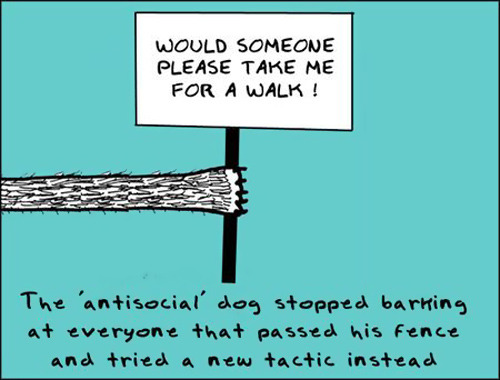
An exercised pet is a happy pet! And guess what, it will help you too! Enjoy these last warm days by walking your dog!
Thursday, November 12, 2009
FDA Recall: Pet Carousel
The U.S. Food and Drug Administration is issuing this health alert to warn consumers not to use Pig Ears and Beef Hooves pet treats manufactured by Pet Carousel because the products may be contaminated with Salmonella. The products were distributed nationwide in both bulk and retail packaging for sale in pet food and retail chain stores. Pet Carousel is based in Sanger, Calif.
Subscribe to:
Posts (Atom)